- Get link
- X
- Other Apps
Caregiver Burnout Is Real: 7 Early Warning Signs You Can’t Afford to Ignore (And How to Bounce Back Fast!).
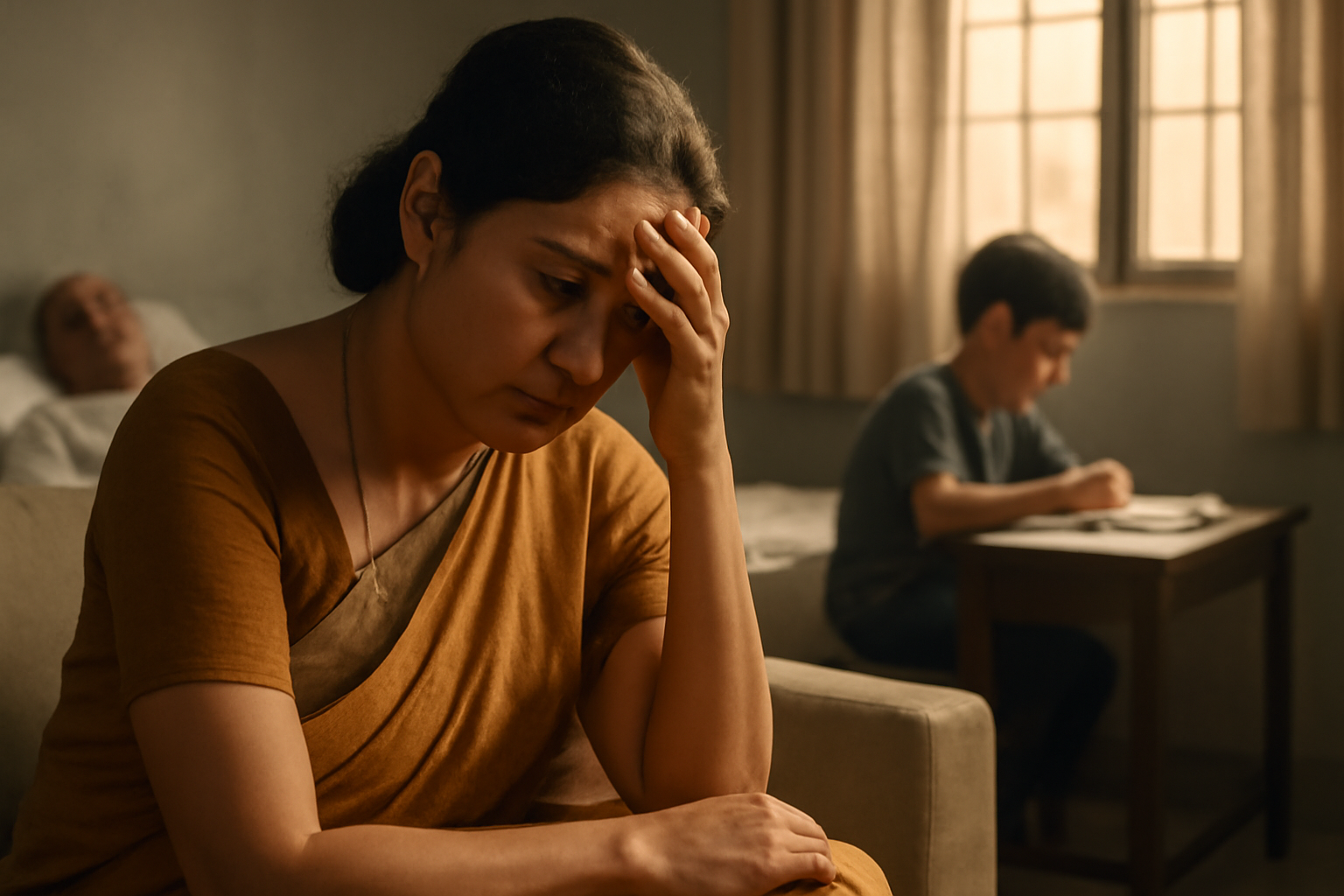
Caregiver burnout is a silent crisis affecting countless Indian families, yet it often goes unseen until things reach a breaking point. This blog uncovers the seven early warning signs of caregiver burnout, offers relatable stories, evidence-backed facts, and practical guidance on how to recover—fast—before it’s too late. Read on to protect both your loved ones and yourself.
Why Caregiver Burnout Matters in India?
In India, caregiving is woven into the fabric of daily life, with over 60% of family caregivers reporting significant stress, fatigue, and anxiety. Many juggle jobs, home responsibilities, and round-the-clock care for elderly parents or ill relatives, often neglecting their own needs. The collapse of traditional joint families and lack of formal support has made the situation worse, especially for women who make up the majority of caregivers in our country.
What Is Caregiver Burnout?
Caregiver burnout happens when a carer—often a son, daughter, or spouse in India—becomes physically, mentally, and emotionally drained from looking after a loved one. It is more than just feeling tired—it’s a state where exhaustion takes over your entire life, making even the simplest tasks feel overwhelming.
The Emotional Impact.
Priya, a 42-year-old bank clerk in Delhi, wakes up before sunrise to care for her father-in-law, her children, and manage a full-time job. She has not slept properly in years and sometimes feels she cannot breathe. This is the everyday reality for millions, and while each story is unique, burnout feels the same: deep tiredness, growing hopelessness, and the sense that life is spiraling beyond control.
7 Early Warning Signs of Caregiver Burnout.
Knowing what to watch for can help halt burnout before it gets worse. Here are the seven big signs, explained simply and with examples relevant to Indian families—
1. Constant Tiredness That Never Goes Away.
Caregivers feel drained both physically and emotionally, even after sleeping. If exhaustion lasts for weeks, it’s not just 'normal tiredness'. Skipping meals, staying up late to manage medicines, or waking up in the night to check on a loved one—all add up.
2. Feeling Irritable, Angry, or Hopeless.
Mood swings, frequent frustration, or snapping at loved ones can signal deep emotional strain. Feeling “fed up” or “trapped” is almost always a red flag.
3. Forgetting Things, Poor Concentration.
Missing appointments, making mistakes with medicines, or constantly misplacing household items are signs that your brain is overloaded by stress. This is very common for multitaskers who are always balancing family, work, and caregiving.
4. Withdrawing From Family and Friends.
If you find yourself avoiding social activities or making excuses not to meet friends, this could be a serious sign. Caregivers often lose interest in things they once enjoyed, choosing isolation over interaction.
5. Neglecting Self-Care.
Missing meals, delaying personal health checkups, or not finding time to eat or bathe are alarming signals. Many caregivers feel so responsible for others that they put their own needs last, leading to faster decline.
6. Falling Sick More Often.
Many Indian caregivers report getting frequent colds, stomach upsets, or headaches. Stress weakens the body’s defenses, making it easier for illnesses to strike.
7. Unexplained Weight Loss or Gain.
Rapid loss or gain in weight, due to skipped meals or emotional eating, is a common but overlooked symptom.
The Facts: Burnout Is a National Concern.
-
Over 60% of Indian caregivers report high levels of stress, physical exhaustion, and anxiety.
-
29–65% of caregivers experience depressive symptoms, especially those responsible for elderly or disabled family.
-
Most caregivers in India are women, facing double burden as wage earners and family caretakers.
-
Only 8% reported minimal burden, meaning over 90% felt moderate to severe strain.
Why Indians Are At Higher Risk?
Unlike Western countries, India has limited formal support like respite care or government-funded home aides, and most caregiving falls on family volunteers, especially women. Social taboos around seeking help, joint family breakdowns, and inflation make things even tougher. Financial stress and lack of recognition play a big part in pushing caregivers toward burnout.
How to Bounce Back Fast: 7 Action Steps?
Ignoring burnout puts both the carer and the care receiver at risk. Here’s how to turn things around quickly and sustainably:
1. Prioritize Your Own Health.
Schedule your own health appointments, eat on time, and try to get at least 6-7 hours of sleep. A healthy caregiver is always more effective.
2. Ask for Help—And Accept It.
Share duties with family, reach out to friends, or tap into your wider social network. Don’t try to do everything yourself.
3. Take Short Breaks.
Even a 10-minute break to enjoy some music, walk, or meditate can work wonders for energy and mood.
4. Use Local Resources.
Look for community organizations, NGOs, or online groups, or Alzheimer’s and Related Disorders Society of India. Many provide support, health camps, and respite care.
5. Join Support Groups.
Talking to other caregivers—either in-person or online—helps break isolation and brings new ideas to solve common problems.
6. Consider Professional Counseling.
Mental health professionals can offer strategies for stress management and emotional recovery. Seeking therapy is a sign of strength, not weakness.
7. Set Realistic Expectations.
Be kind to yourself. Accept that doing your best is enough, and it’s okay to say 'No' or set boundaries. Don’t compare your caregiving to others or to impossible standards.
Real Stories, Real Emotions.
Every time a caregiver in India goes unnoticed, an entire family feels the impact. Behind every meal cooked, every medicine given, and every sleepless night, there’s a story of courage—and silent suffering. By paying attention to the early signs, sharing the load, and taking help, families can preserve both love and well-being.
Frequently Asked Questions (FAQs).
What causes caregiver burnout?
Caregiver burnout is caused by constant physical, emotional, and mental stress—long hours, lack of sleep, no outside support, financial worries, and ignoring personal health can lead to complete exhaustion.
Who gets most affected in India?
Women are the most affected, making up a large majority of unpaid family caregivers for both elders and ill relatives, especially in urban middle-class and low-income homes.
Can caregiver burnout make someone seriously ill?
Yes. Long-term burnout increases the chances of anxiety, depression, diabetes, heart disease, and other stress-related illnesses.
Are there any government schemes to support caregivers?
Some government health and pension schemes exist, but awareness is low and they are not enough to cover the growing demand for caregiver support. NGOs also step in, but access varies by location.
How can I talk to my family about my stress?
Start with small, honest conversations. Tell your family how you are feeling and ask for help—whether it’s sharing chores, allowing downtime, or simply listening to your worries.
What if I don’t have any support from family or neighbors?
Seek help from local NGOs, community health workers, or online caregiver groups. Professional counseling and helplines are available in major Indian cities.
Can burnout be prevented?
Yes. By watching for early signs, prioritizing self-care, sharing responsibilities, and saying no to overload, caregivers can avoid full-scale burnout.
Are support groups available online in India?
Yes, many NGOs and nonprofit platforms offer virtual support circles, WhatsApp and Facebook groups tailored for Indian caregivers.
How much rest is enough for caregivers?
At least 6–7 hours of good quality sleep is ideal—plus short breaks through the day for relaxation and personal interests.
Is it okay to take paid help?
Absolutely. If possible, take paid assistance to lighten the load and maintain quality of care.
Comments
Post a Comment