- Get link
- X
- Other Apps
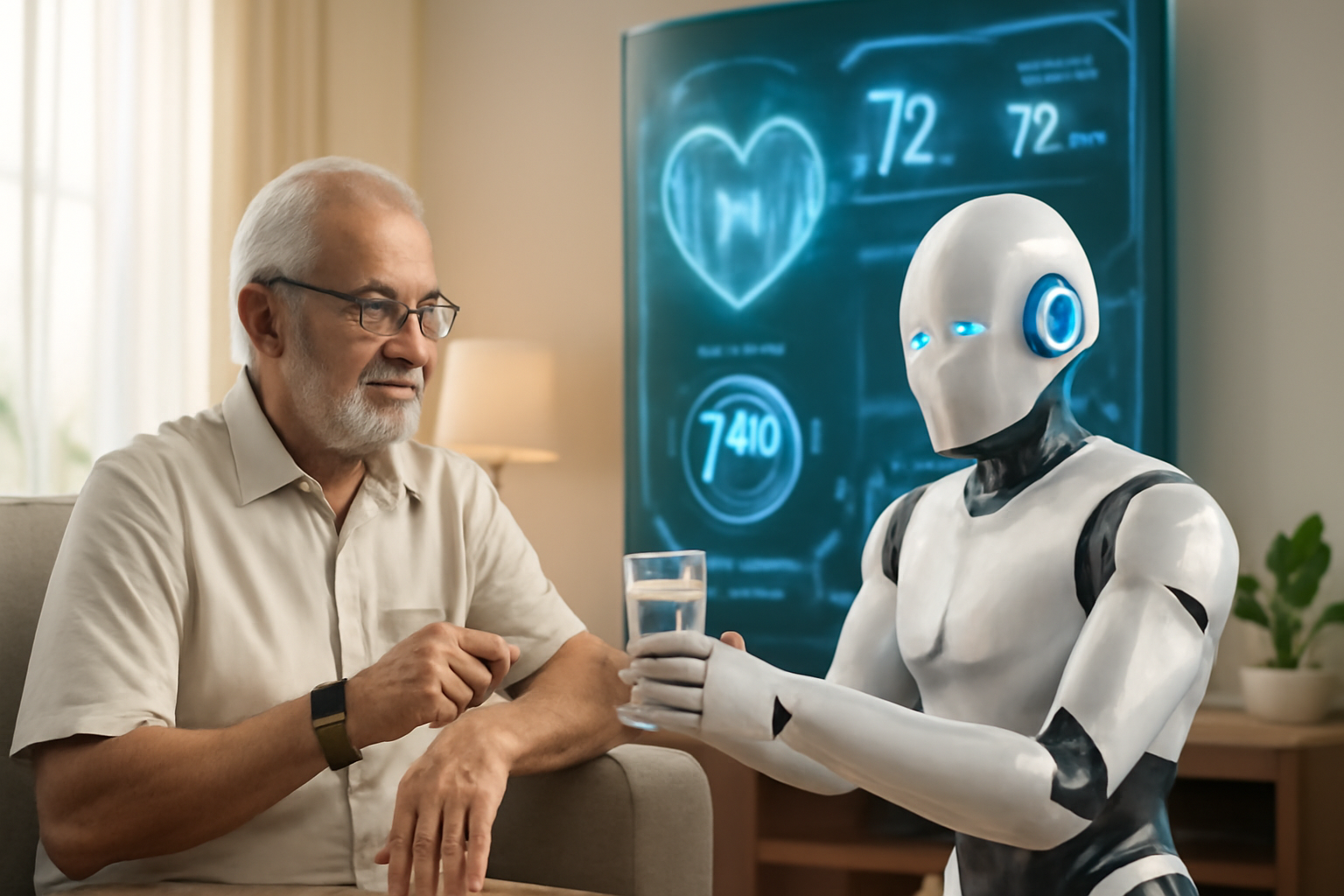
India is changing fast. And so is the way we care for our elders. Our parents and grandparents spent their lives taking care of us, but now it's time we make sure they are safe, healthy, and happy. Good news! Technology is stepping in to help with that in ways we never imagined before.
Did you know? India already has over 140 million elderly people, and by 2050, this number will double. As families get smaller and children move to other cities or countries for work, it is sometimes hard to keep a close watch on our loved ones. But thanks to today's smart technology, even if families are far apart, elders can live comfortably and safely at home.
Let's explore 5 amazing tech innovations that are changing elder care in India today and making the golden years truly golden.
1. Smart Home Systems That Keep Seniors Safe.
Imagine a home that watches over your elderly parents like a gentle guardian angel — without being in their face. Smart homes use sensors and cameras to detect if someone falls or moves unusually. For example, the ElderSense Smart Home System uses special motion sensors and AI cameras to know if an elder might have slipped or needs help.
These systems can alert family members instantly through phone notifications or even call emergency services automatically. This is especially helpful for seniors living alone in cities like Delhi, Mumbai, or Chennai.
By adding smart lights that turn on automatically to prevent night falls and voice assistants that respond to simple commands, these homes help seniors live independently and reduce worries for their families.
2. Wearable Health Trackers That Watch Over Every Beat.
Wearable devices, like a wristwatch or band, are no longer just for fitness lovers. They are mini health helpers! These devices monitor vital signs such as heart rate, blood pressure, oxygen levels, and even detect falls instantly.
If an elder's heart rate rises too high or if they miss a medication dose, alerts are sent to family members or doctors on their smartphones. Many Indian seniors like Mrs. Sharma in Delhi are already benefiting from wearables that keep their health in check even while staying at home.
This kind of real-time monitoring prevents emergencies by allowing quick medical help and encourages timely check-ups without frequent hospital visits.
3. Smart Pill Dispensers and Medication Reminders.
Remembering to take medicines on time is hard for many elders, especially those with multiple pills. Missed doses can cause serious health issues. That’s where smart pill dispensers come in.
Devices like the Hero Smart Pill Dispenser automatically sort and dispense the right medicines at the right time. It also reminds elders with alarms and connects to family apps so everyone knows their loved one is safe and sticking to their routine.
In India, where chronic diseases such as diabetes and hypertension are common among elders, these dispensers play a huge role in managing health better and avoiding costly hospital stays.
4. Telemedicine: Doctor’s Care Without Leaving Home.
Traveling to clinics or hospitals can be difficult for elders, especially in small towns or during bad weather. Telemedicine solves this problem by allowing seniors to consult doctors through video calls from the comfort of their homes.
With just a smartphone or computer, they can check symptoms, review medicines, and get regular health advice. This technology is spreading fast even in tier 2 and 3 Indian cities.
During the COVID-19 pandemic, telemedicine became a life-saver for many older adults who could not risk exposure. Now, it is a preferred method for routine health check-ups in India.
5. AI Companions and Robots Fighting Loneliness.
One of the biggest problems elderly people face alone is loneliness and isolation. AI-powered companion robots and virtual assistants are designed to bring friendship and joy to seniors.
In India, robots like Mitra offer voice conversations, reminders, entertainment, and even video calling so elders feel connected to family and friends. These companions are available 24/7 and can help with simple tasks, making seniors feel cared for emotionally.
Such AI companions not only reduce loneliness but also stimulate mental health, providing cognitive exercises and sharing news or music.
Why These Innovations Matter for India?
India's culture deeply respects elders, but modern life with nuclear families and urban migration has made elder care challenging. Technology bridges this gap with:
-
Increased safety and fewer accidents at home.
-
Timely medication and health monitoring.
-
Easy access to healthcare services.
-
Emotional support reducing depression among seniors.
-
Freedom for elders to live independently but connected.
By 2030, India will have over 200 million seniors needing support. These innovations are not just futuristic ideas but practical solutions available today to millions of Indians.
How Families Can Adopt These Technologies?
-
Start with simple devices like health bands or smart speakers.
-
Talk to elders gently about how tech can help them.
-
Choose user-friendly gadgets that support Indian languages.
-
Leverage apps that notify family members in real-time.
-
Use telemedicine platforms for easy doctor consultations.
-
Stay updated about government and startup initiatives offering smart elder care solutions.
Emotional Stories That Show Impact.
Mrs. Sharma from Delhi, 75, was worried her children living abroad couldn’t help her daily. With a wearable health tracker and home sensors, she feels safer and more independent, while her family can sleep peacefully knowing she is monitored.
Ram Singh in Jaipur uses a smart pill dispenser to manage his diabetes medication without anyone’s help. This little device has reduced his hospital visits and anxiety.
Such stories remind us that technology, when used wisely and compassionately, can transform elder care in India.
FAQ About Technology in Elder Care.
Q1: Are these elder care technologies expensive?
A1: Prices are dropping fast. Many affordable options are available in India, and startup innovations make them even more accessible.
Q2: Will seniors find it hard to use technology?
A2: Tech companies now design simple, voice-enabled devices in Hindi and regional languages. Training and support are also available.
Q3: How reliable are these devices?
A3: Most devices have real-time alerts and work 24/7. They undergo strict testing and are already saving lives in India.
Q4: Can technology replace human caregivers?
A4: No. Technology supports and enhances human care but cannot replace the love and emotional support family and caregivers provide.
Q5: Where can I get these devices or services in India?
A5: Leading elder care companies, startups, and online marketplaces offer these products along with government programs promoting smart aging.
Conclusion.
The future of elder care in India is bright and filled with hope through technology. Smart homes, wearables, telemedicine, AI companions, and smart pill dispensers are not just innovations but lifelines for millions of senior citizens. They help elders live with dignity, safety, and happiness — just as they deserve.
Let’s embrace these technologies to give our elders a better, safer, and more joyful life. Because caring for them well is the greatest gift of love.
Comments
Post a Comment